
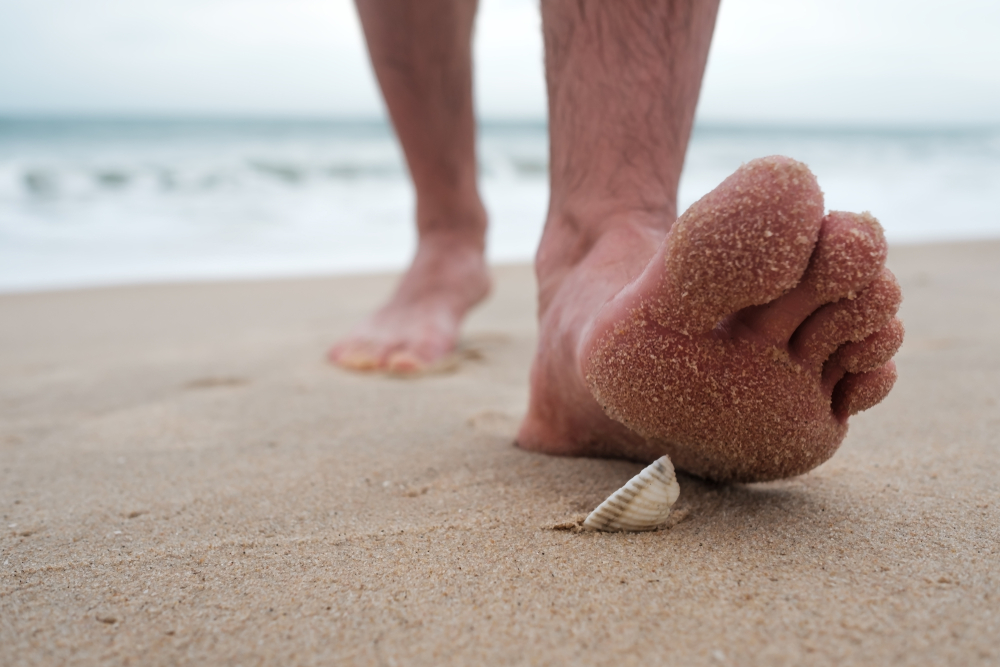
Spring break is one of the most anticipated times of the year. It’s a chance to escape daily routines, relax on beautiful beaches, explore new cities, or engage in thrilling outdoor adventures. However, amid the excitement, it’s all too easy to forget about one important factor: foot safety. From long days of walking on unfamiliar surfaces to participating in various activities, foot injuries are unfortunately common during travel season, especially when you’re out of your usual environment.
Foot and ankle injuries, whether minor or severe, can put a significant damper on your travel plans. If you don’t take proper care of your feet, injuries like heel pain, ankle sprains, and other discomforts can make what should be a relaxing break a painful ordeal. That’s why it’s important to be proactive when it comes to foot care during spring break.
Today, we will dive into common foot injuries that can occur during spring break, including heel pain, ankle sprains, and the significance of geriatric foot care for older travelers. We will also explore the importance of preventive measures and offer tips to keep your feet safe while you’re on the move. Whether you’re trekking through city streets, hiking in nature, or just lounging by the pool, this guide will help ensure that your feet stay healthy and strong throughout your adventures.
Common Spring Break Foot Injuries
The activities you participate in during spring break play a large role in the types of injuries you may encounter. Here are some of the most common foot-related issues that can arise:
1. Heel Pain from Hiking, Beach Sports, and Sightseeing
Heel pain is a widespread complaint, especially for those who spend extended periods walking, running, or standing during their spring break. Activities like hiking, beach sports, and even strolling through city streets can put undue stress on the heels. This pain is often caused by a condition called plantar fasciitis, which occurs when the thick band of tissue running across the bottom of your foot becomes inflamed.
Increased activity and changes in terrain can exacerbate the condition, leading to pain, swelling, and discomfort. If you experience heel pain during your trip, it’s important to take quick action to reduce strain on your feet and avoid making the issue worse. Wearing supportive footwear, applying ice to the affected area, and taking rest breaks can all help alleviate discomfort.
2. Sprained Ankle from Exercising Outdoors
Ankle sprains are a common spring break injury, particularly for those who enjoy outdoor activities like hiking, beach volleyball, or exploring new locations. A sprain occurs when the ligaments around the ankle joint are stretched or torn, often as a result of a sudden twist, fall, or misstep. The symptoms of an ankle sprain include swelling, bruising, pain, and difficulty moving the foot.
Spring break often involves walking on uneven surfaces, whether you’re exploring rocky beaches, trails, or city streets. These surfaces can increase your risk of rolling an ankle or experiencing a sudden twist. Wearing sturdy shoes with good ankle support is one of the best ways to prevent ankle sprains during your travels. Additionally, practicing balance exercises before your trip can help you stay steady on your feet.
3. Ankle Pain from Overuse
While ankle sprains are a specific injury, general ankle pain can also occur due to overuse or repetitive motion. For example, long walks, hours of dancing, or wearing the wrong footwear can lead to irritation and discomfort in the ankle area. In some cases, pre-existing conditions like arthritis may make individuals more susceptible to ankle pain while traveling.
If you experience ankle pain while on your spring break adventure, take immediate steps to rest and elevate your feet. Apply ice, and avoid activities that put additional strain on the joint. If the pain persists, seeking medical advice may be necessary to determine whether a more serious condition, such as tendonitis or arthritis, is at play.
4. Geriatric Foot Care on Vacation
Older adults, especially those with pre-existing foot conditions or who require foot and ankle surgery, need to take extra care when traveling. As people age, foot structures can become weaker, and the risk of injuries like fractures, sprains, and heel pain increases. Conditions like arthritis and diabetes can further complicate foot care, making it crucial for older individuals to follow a comprehensive foot care routine.
For families travelling with older family members, it’s important to make sure they’re outfitted with comfortable, properly sized shoes. Older adults should avoid walking barefoot on hard or uneven surfaces and be cautious when navigating stairs or slippery areas to avoid falls. Regular foot checkups with a podiatrist experienced in geriatric foot care can ensure that any potential issues are addressed before embarking on a trip.
Preventing Foot and Ankle Injuries During Spring Break
Taking steps to protect your feet from injury can mean the difference between a fun-filled spring break and a painful trip. Here are some strategies to help you avoid common foot problems:
1. Wear Proper Footwear
One of the most important ways to prevent foot injuries is by choosing the right footwear. When it comes to spring break, it’s easy to get excited about wearing sandals or flip-flops, but these types of shoes often lack the support needed for extended walking or physical activity. Opt for supportive shoes that fit well, offer arch support, and provide cushioning.
For activities like hiking or exploring unfamiliar terrain, make sure you wear sturdy shoes or boots with ankle support to minimize the risk of sprains or twists. If you’re planning to be on your feet for long periods, consider packing a pair of cushioned insoles to provide extra comfort and reduce the risk of heel pain.
2. Warm Up and Stretch
Before engaging in physical activities, it’s a good idea to warm up your muscles and stretch your feet and ankles. Stretching helps to prepare your muscles for the demands of walking, running, or engaging in sports, and it can prevent injuries like muscle strains or sprains. Simple exercises such as calf stretches and ankle rotations can improve flexibility and reduce the risk of overuse injuries.
3. Rest When Needed
Although it’s tempting to cram as many activities as possible into your spring break itinerary, overexertion can lead to fatigue, which increases the likelihood of injury. Take time to rest your feet and allow them to recover after a long day of walking or participating in physical activities. Resting not only helps prevent injuries but also reduces discomfort related to conditions like heel pain or ankle strain.
4. Practice Balance Exercises
Improving your balance can help prevent ankle sprains and falls. Balance exercises, such as standing on one foot or practicing yoga, can enhance your stability and make it easier to navigate uneven surfaces. These exercises are especially helpful for those who may be more prone to ankle injuries, such as individuals recovering from foot and ankle surgery or those who are older.
Seeking Professional Care for Foot Injuries
If you experience persistent pain or an injury that doesn’t improve with self-care, medical attention may be necessary. Whether it’s ankle pain that won’t go away, a sprained ankle that requires treatment, or heel pain that prevents you from walking comfortably, a podiatrist can assess your situation and recommend the appropriate course of action. In some cases, individuals may need foot and ankle surgery to address more severe conditions, such as chronic tendon injuries or fractures.
Additionally, for those with specific concerns related to geriatric foot care, consulting a podiatrist before your trip can provide peace of mind and help you prepare for your travels. A foot doctor can offer personalized recommendations based on your unique foot health needs, ensuring that you’re well-equipped to enjoy your spring break without compromising your health.
Happy Feet, Happy Travels
Spring break is an exciting time to unwind, explore, and create lasting memories. However, the hustle and bustle of travel, combined with various activities, can increase the risk of foot injuries like heel pain, ankle sprains, and general discomfort. By being proactive about foot care and taking preventive measures, you can protect your feet and ensure that your spring break is as enjoyable and injury-free as possible.
Remember, taking care of your feet is just as important as preparing for the rest of your trip. So before you pack your bags and head out, stop by Physician’s Footcare for a clean bill of health!