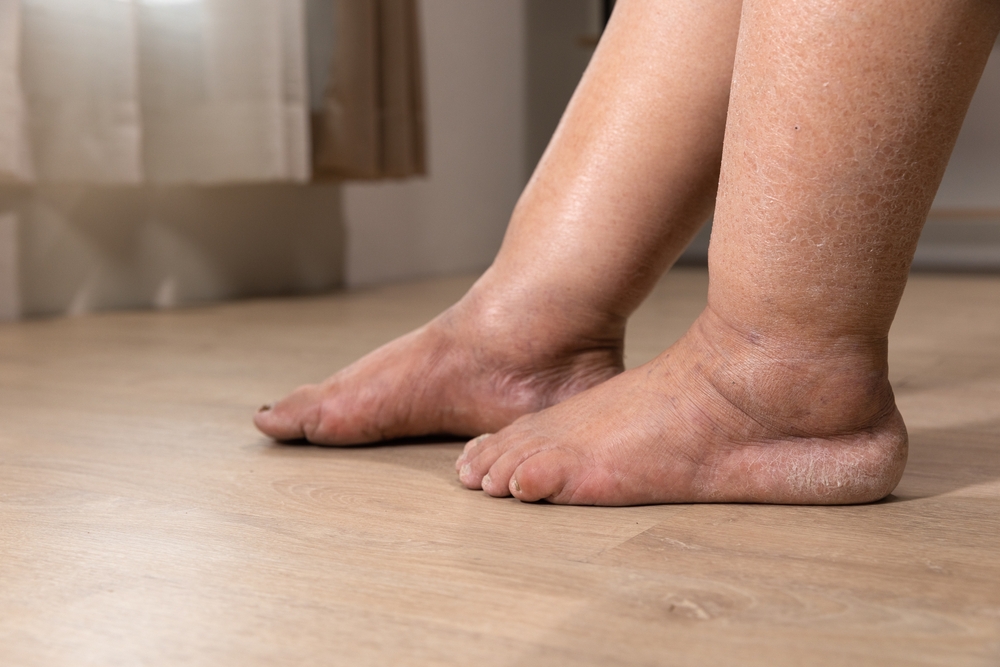
 If you’ve ever stepped off a plane or ended a long drive and wondered, “Why do my feet swell when I travel?” you’re not alone. Travel often involves long periods of sitting or standing, which slows blood flow through the legs and feet.
This can lead to swelling, stiffness, and discomfort—especially during the busy fall and winter travel season.
Understanding why this happens and learning how to prevent swelling can make your trips both easier and healthier.
Why Do My Feet Swell When I Travel? Understanding the Cause
There are several reasons people experience foot swelling during trips. Reduced movement is the most common. When you’re unable to stretch or walk, leg muscles work less to keep blood flowing upward, which can cause fluid buildup.
Other factors include:
- Cabin pressure changes during long flights
- Dehydration
- Eating salty foods before or during travel
- Heat exposure in cars
- Tight or unsupportive footwear
- Underlying circulation concerns, such as venous insufficiency
Most swelling improves a few hours after you resume normal movement, but some travelers experience lingering discomfort.
Feet Swollen While Traveling: What’s Normal and What’s Not
It’s very common to notice that your feet are swollen while traveling, particularly during long flights or extended car rides. Mild swelling that goes away within a reasonable time is usually normal. However, it can still be uncomfortable and may trigger foot fatigue, stiffness, or irritation.
Signs that swelling may need medical attention include:
- Swelling in only one leg
- Persistent redness or warmth
- Pain that increases instead of improving
- Shortness of breath (a potential warning sign of a blood clot)
- Skin that feels unusually tight
While occasional swelling is part of travel for many people, more severe symptoms should be evaluated by a health care professional.
Why Do My Feet Swell When I Travel by Plane?
Air travel adds unique challenges when it comes to foot care. During long flights, limited mobility and confined seating make it difficult to stretch your legs or change positions. Lower cabin humidity may cause dehydration, and pressure changes can also contribute to swelling.
Together, these factors increase the likelihood of foot swelling and ankle discomfort during and after flights. People with circulation issues may notice more pronounced swelling or tightness around the ankles.
Why Do My Feet Swell When I Travel by Car?
Long car trips may lack cabin pressure changes, but they still involve extended periods of sitting or standing with limited movement. When your knees stay bent for hours, your legs work less to keep blood flowing, which can lead to swollen feet from travelling.
Other road-trip factors that contribute to swelling include:
- Heat inside the car
- Limited access to breaks
- Eating salty snacks that affect the fluids in your body
Short, regular breaks to stretch and walk can make a meaningful difference.
Swollen Feet After Traveling: Why Symptoms Sometimes Show Up Later
Some travelers feel fine during the trip but notice swollen feet after traveling, once they’re home or at their destination. This often happens because fluid continues to settle after long periods of sitting, standing, or walking through airports.
Common triggers include:
- Long airport lines
- Increased walking during layovers
- Carrying heavy luggage
- Unsupportive shoes during travel
- Warm environments that encourage fluid retention
For most people, swelling improves with rest, hydration, and elevating the legs.
How to Prevent Swelling and Protect Your Feet During Travel
The good news: most swelling is preventable. These habits can help keep your legs and feet more comfortable during travel.
1. Stay Hydrated
Dehydration increases the risk of swelling. Try to:
- Drink plenty of water before and during travel
- Limit alcohol and avoid salty foods
- Keep a refillable bottle on hand
Staying hydrated helps improve circulation and reduce fluid retention.
2. Wear Compression Socks
Compression socks or compression stockings gently support veins in the lower legs. They help prevent swelling and reduce fatigue by improving how blood circulates.
3. Move Whenever Possible
Movement keeps blood circulating through the legs and feet.
As Natalie McCoy, Certified Pedorthist with Physicians Footcare, says, “Our furry friends, cats/dogs, have an instinct to stretch every time they get up, so why don't we? Stretching is a preventative action we should all be doing daily, just like brushing our teeth. Stretching daily can help prevent overuse injuries and has great health benefits. Remember: motion is lotion.”
During long flights or drives:
- Stand or stretch every 60–90 minutes
- Flex and point your toes
- Make slow ankle circles
- Shift positions to avoid stiffness
Even small movements help.
4. Elevate Your Legs After Travel
Once you arrive, elevate your legs to help clear pooled fluid. This is particularly helpful if you already have leg swelling when the trip ends.
5. Choose Supportive Shoes
Supportive footwear is essential for preventing foot swelling and pain. Shoes with adequate cushioning and room in the toe box help maintain comfort during long periods of inactivity.
6. Manage Existing Conditions
If you have diabetes, arthritis, or ongoing circulatory issues, you may notice a greater tendency toward swelling. Planning ahead can help you stay comfortable and reduce stress on your legs and feet.
When Swelling or Pain Requires Attention
While most swelling improves with simple care, you should seek medical guidance if you experience:
- Swelling that lasts more than a few days
- Sudden or one-sided swelling
- Pain that increases
- Red or warm skin
- Symptoms suggesting a blood clot
Always listen to your body—severe or persistent symptoms should not be ignored.
Traveling Soon? Physicians Footcare Can Help Keep Your Feet Comfortable
Holiday travel can put extra stress on your feet, especially during long flights and packed schedules. If you’re dealing with swollen feet after traveling, recurring swelling, or discomfort that affects your daily life, a podiatrist can help identify the cause and recommend personalized treatment.
As the Southeast's premier podiatry practice, Physicians Footcare provides expert care for a full range of foot and ankle concerns—from travel-related swelling to chronic pain, injuries, and preventive care. Our team offers advanced diagnostics, in-house specialists, and personalized treatment plans to support long-term foot health. Schedule a visit with our podiatry team today and take the next step toward lasting comfort.
