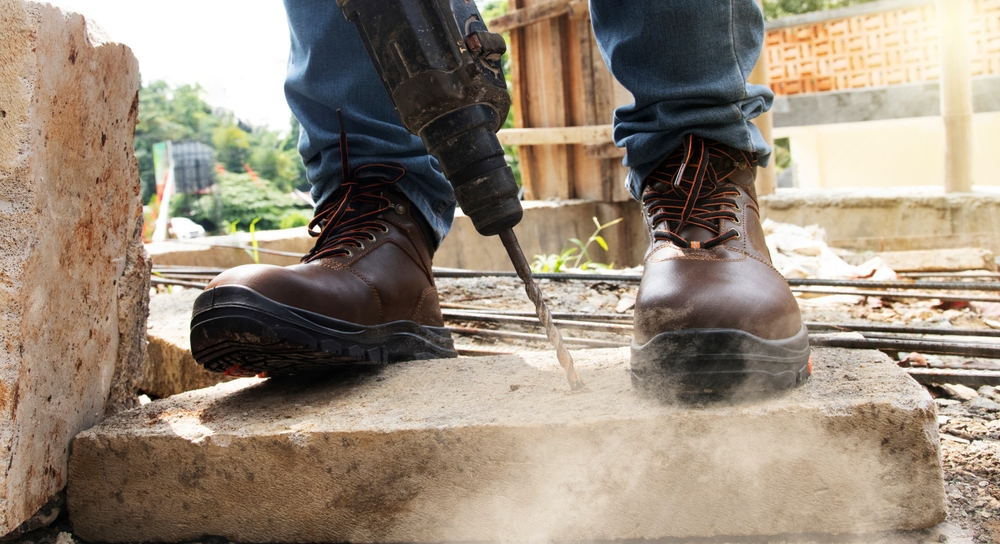
Workplace environments place constant physical demands on the body. In particular, your feet absorb impact, maintain balance, and support movement during every task. Whether you’re standing for long hours, navigating uneven surfaces, or working around heavy equipment, your foot health has a direct impact on comfort, foot safety, and job performance. Addressing foot protection early helps set the stage for safer workplaces and reduces the risk of injuries that can affect both your short-term productivity and long-term mobility.
The Foundation of Workplace Safety Starts at Your Feet
Workplace foot protection is fundamental to overall workplace safety, serving as the first line of defense against many job-related hazards. Your feet provide the structural base for balance, stability, and movement. This makes them especially vulnerable to injury in physically demanding work environments — and it means that foot safety at work is critical to your overall comfort and mobility.
When you experience fatigue, instability, or foot pain at work, your ability to perform tasks safely and efficiently is compromised. Poor footwear can contribute not only to foot and ankle injuries but also to knee, hip, and lower back strain due to altered gait and posture. Over time, these issues may lead to increased absenteeism, reduced job performance, and a higher risk of secondary injuries.
Why What You Wear on Your Feet Matters at Work
The type of footwear you wear on the job plays a critical role in both injury prevention and overall physical performance. Inadequate footwear—such as shoes that lack proper support, traction, or protective features—can significantly increase the risk of foot injuries in the workplace. Over time, poorly designed or ill-fitting shoes contribute to excessive pressure, instability, and repetitive stress on the feet.
Footwear that does not provide adequate protection leaves workers more vulnerable to acute trauma, including impact injuries, puncture wounds, and slip-related accidents. Repetitive strain and insufficient support can also contribute to ongoing foot stress, particularly in roles that require prolonged standing or walking. These issues may gradually affect movement patterns, stability, and endurance throughout the workday.
Proper protective footwear helps reduce these risks by supporting natural alignment and absorbing impact during daily work activities. Shoes designed with appropriate cushioning, arch support, slip-resistant soles, and protective features improve posture and balance, allowing workers to move with greater confidence and control. By enhancing stability and reducing fall risk, the right footwear supports foot safety at work and long-term musculoskeletal health.
As Physicians Footcare podiatrist Dr. Renee Hutto-Altman says, “Just because your friend or neighbor likes a certain shoe does not mean it is a good shoe for your foot!” Make sure you try on your work shoes before purchasing, and make sure they feel comfortable and supportive for you.
Common Workplace Foot Injuries Podiatrists See
Despite advances in workplace safety and foot protection, foot injuries remain a common reason workers seek podiatric care. Many of these injuries are directly related to job-specific hazards, repetitive stress, or prolonged time spent on hard surfaces. Understanding the most frequent workplace foot injuries can help workers and employers recognize risks early and improve foot safety on the job.
Acute Workplace Foot Injuries
These injuries often occur suddenly and are typically linked to environmental hazards or inadequate protection:
- Crushing injuries and fractures caused by dropped tools, equipment, or heavy materials
- Puncture wounds and lacerations from sharp debris, nails, or uneven surfaces
- Slip and fall injuries related to poor traction, wet floors, or unstable footing
Overuse and Repetitive Stress Injuries
Jobs that require prolonged standing, walking, or repetitive movement can lead to cumulative stress on the feet over time, including:
- Plantar fasciitis resulting from repeated strain on the heel and arch
- Tendinitis caused by overuse of the muscles and tendons that support foot and ankle movement
- Nerve pain in the feet from standing, often described as burning, tingling, or numbness
- Workplace foot fatigue, which can reduce stability, focus, and overall job performance
Early identification and proper treatment of these injuries are essential for preventing chronic pain and long-term mobility issues. Appropriate footwear, workplace modifications, and timely podiatric evaluation play a key role in keeping workers safe, comfortable, and productive on the job.
Types of Safety Footwear for Different Jobs
When footwear inadequately supports or protects the feet, the impact is often seen over time. Daily exposure to workplace hazards, combined with repetitive movement and prolonged standing or walking, places significant stress on the feet. Because many workplace foot injuries stem from job-specific hazards, selecting the right type of safety footwear is essential for foot protection and long-term foot health.
Protective Toe Footwear
- Steel-toe boots offer maximum protection against heavy falling or rolling objects and are commonly used in construction, manufacturing, and industrial settings.
- Composite toe shoes provide similar protection while being lighter in weight and non-metallic, making them a popular option for workers who require comfort, temperature resistance, or metal-free environments.
Slip-Resistant Work Shoes
- Designed for healthcare, hospitality, and food service environments where wet or slick floors are common.
- Help reduce slip-and-fall injuries by improving traction and stability during long shifts.
- Often feature lightweight designs to support extended periods of standing and walking.
Puncture-Resistant Footwear
- Equipped with reinforced soles to protect against nails, sharp tools, and debris
- Recommended for construction sites, warehouses, and outdoor job settings
- Helps prevent serious injuries caused by penetrating objects
Electrical Hazard Footwear
- Designed to reduce the risk of electrical shock in high-risk environments
- Used by electricians, utility workers, and those working around live electrical equipment
- Must meet specific safety standards to provide appropriate protection
The Importance of Proper Fit and Support
Regardless of job type, proper fit and supportive features are critical to injury prevention. Footwear that is too tight, too loose, or lacks adequate structure can increase fatigue and strain. Features such as arch support, cushioning, and shock absorption help distribute pressure evenly and support natural movement, reinforcing both foot safety and comfort throughout the workday.
Choosing the appropriate safety footwear for the job not only protects against immediate hazards but also supports comfort, stability, and long-term musculoskeletal health.
How to Choose the Right Safety Footwear for Your Job
Choosing the right footwear requires more than selecting a safety label. Effective foot protection at work depends on matching footwear features to job-specific hazards while also addressing comfort, fit, and long-term foot health.
Understanding OSHA (Occupational Safety and Health Administration) foot protection requirements is essential, but meeting minimum standards does not always prevent discomfort or fatigue. Many workers find that “one-size-fits-all” safety shoes contribute to ongoing discomfort and wonder how to stop foot pain at work. Poor fit, limited support, and insufficient cushioning can increase strain even when footwear meets safety guidelines.
In cases where standard safety footwear falls short, custom orthotics or medical-grade inserts may be recommended. These devices are designed to improve support, distribute pressure more evenly, and reduce strain during prolonged standing or walking. At Physicians Footcare, custom orthotics are available, and our on-site pedorthists specialize in evaluating footwear fit and designing orthotic solutions tailored to each individual’s job demands and foot structure. This personalized approach helps workers achieve both protection and comfort, supporting safer, more sustainable performance at work.
Foot Pain on the Job: When Discomfort Signals a Problem
Even with appropriate safety footwear, foot pain should never be dismissed as a normal part of the workday. Discomfort is often an early warning sign that the feet are under excessive stress or that foot protection needs are not being met. Recognizing these symptoms early allows workers to address problems before they interfere with safety, performance, or long-term mobility. Workers should pay close attention to symptoms such as:
- Persistent heel or arch pain that does not improve with rest
- Burning or tingling sensations, particularly after long periods of standing or walking
- Swelling, numbness, or feelings of instability during movement
Ignoring these warning signs can allow minor issues to progress into chronic injuries that require more extensive treatment and recovery time. Ongoing foot pain may alter posture and movement patterns, increasing strain on the ankles, knees, hips, and lower back. Over time, this can lead to reduced productivity, increased risk of falls, and time away from work.
Seeking a podiatric evaluation is recommended when foot pain is persistent, worsening, or interfering with daily job duties. Early assessment allows for timely intervention, footwear adjustments, or supportive therapies that can help workers stay comfortable, mobile, and safe on the job.
Supporting Workplace Safety from the Ground Up
Proper foot protection at work does more than safeguard the feet; it supports mobility, longevity, and overall quality of life. When workers wear footwear designed to protect and support their feet, they are better equipped to move safely, maintain balance, and reduce strain throughout the workday. Over time, these benefits extend beyond injury prevention, helping preserve long-term musculoskeletal health and on-the-job performance.
Prioritizing podiatrist-approved footwear is an important step for both workers and employers committed to workplace safety. Selecting shoes that match job demands, fit properly, and provide appropriate support can significantly reduce the risk of foot injuries while promoting comfort and stability. Professional guidance ensures that foot protection addresses both safety requirements and individual foot health needs.
At Physicians Footcare, our team is dedicated to helping workers prevent foot injuries and maintain healthy, pain-free movement. Whether you are seeking guidance on workplace footwear, custom orthotics, or strategies for how to stop foot pain at work, our podiatric physicians and specialists are here to help. Contact Physicians Footcare today to take a proactive step toward protecting your feet—and your future—from the ground up.
