Connect with us:
Blog
Items filtered by date: Saturday, 02 May 2026
Tuesday, 14 June 2022 00:00
Signs of Poor Circulation
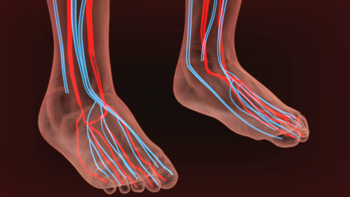
The circulatory system in the body is rarely thought about when it is working properly. Problems may occur when blood flow is restricted, and can cause reduced mobility, in addition to increasing the risk of a heart attack. A common cause of poor circulation is peripheral artery disease (PAD). One of the first signs of this condition can be pain in the feet and legs while walking, and this may be diminished by stretching and exercising at least three times per week. It is suggested to patients who smoke to stop or cut back, and people who are diabetic to control their sugar intake. A sign of poor circulation can include a wound on the foot that doesn't heal. Many people are unaware they may have cuts and scrapes on their feet as a result of the inability to feel sensations. Patients who are short of breath may be experiencing poor circulation, and this may be a subtle sign of a heart issue. If you have any of these symptoms, it is strongly suggested that you are under the care of a podiatrist who can offer you correct treatment options.
Poor circulation is a serious condition and needs immediate medical attention. If you have any concerns with poor circulation in your feet contact the foot specialists of Physicians Footcare . Our doctors will treat your foot and ankle needs.
Poor Circulation in the Feet
Poor blood circulation in the feet and legs is can be caused by peripheral artery disease (PAD), which is the result of a buildup of plaque in the arteries.
Plaque buildup or atherosclerosis results from excess calcium and cholesterol in the bloodstream. This can restrict the amount of blood which can flow through the arteries. Poor blood circulation in the feet and legs are sometimes caused by inflammation in the blood vessels, known as vasculitis.
Causes
Lack of oxygen and oxygen from poor blood circulation restricts muscle growth and development. It can also cause:
- Muscle pain, stiffness, or weakness
- Numbness or cramping in the legs
- Skin discoloration
- Slower nail & hair growth
- Erectile dysfunction
Those who have diabetes or smoke are at greatest risk for poor circulation, as are those who are over 50. If you have poor circulation in the feet and legs it may be caused by PAD and is important to make changes to your lifestyle in order to reduce risk of getting a heart attack or stroke. Exercise and maintaining a healthy lifestyle will dramatically improve conditions.
As always, see a podiatrist as he or she will assist in finding a regimen that suits you. A podiatrist can also prescribe you any needed medication.
If you have any questions please feel free to contact our offices located in various cities throughout South Carolina and several offices located in Georgia . We offer the newest diagnostic and treatment technologies for all your foot and ankle needs.
Tuesday, 07 June 2022 00:00
Do You Suspect You Have Plantar Fasciitis?
Plantar fasciitis is one of the most common causes of heel pain. The plantar fascia is the thick band of tissue that connects the heel bone to the toes. When this band of connective tissue becomes inflamed, plantar fasciitis occurs. Fortunately, this condition is treatable.
There are several factors that may put you at a greater risk for developing plantar fasciitis. One of the biggest factors is age; plantar fasciitis is common in those between the ages of 40 to 60. People who have jobs that require them to be on their feet are also likely to develop plantar fasciitis. This includes factory workers, teachers, and others who spend a large portion of their day walking around on hard surfaces. Another risk factor is obesity because excess weight can result in extra stress being placed on the plantar fascia.
People with plantar fasciitis often experience a stabbing pain in the heel area. This pain is usually at its worst in the morning, but can also be triggered by periods of standing or sitting. Plantar fasciitis may make it hard to run and walk. It may also make the foot feel stiff and sensitive, which consequently makes walking barefoot difficult.
Treatment for plantar fasciitis depends on the severity of the specific case of the condition. Ice massage applications may be used to reduce pain and inflammation. Physical therapy is often used to treat plantar fasciitis, and this may include stretching exercises. Another treatment option is anti-inflammatory medication, such as ibuprofen.
If you suspect that you have plantar fasciitis, meet with your podiatrist immediately. If left untreated, symptoms may lead to tearing and overstretching of the plantar fascia. The solution is early detection and treatment. Be sure to speak with your podiatrist if you are experiencing heel pain.
Tuesday, 07 June 2022 00:00
What May Be Causing Your Heel Pain

If you are experiencing heel pain, chances are you may have plantar fasciitis, which is the most common cause. Plantar fasciitis occurs when there is an inflammation of the plantar fascia tissue on the bottom of the foot. This connective tissue attaches at the heel bone, then extends towards the forefoot, fanning out into five bands that attach to each toe’s phalanx bone. The plantar fascia supports the arch and helps to act as a shock absorber when walking, running, and jumping. Since the plantar fascia is used continuously in everyday activities it can become stressed, overused, and even torn. The heel pain of plantar fasciitis is usually at its most severe when you take your first steps after waking up or resting. It is suggested that you make an appointment with a podiatrist if you are experiencing any kind of heel pain. Podiatrists treat plantar fasciitis and other forms of heel pain every day and have many therapies and methods of treatment that will offer you the relief you seek.
Plantar fasciitis is a common foot condition that is often caused by a strain injury. If you are experiencing heel pain or symptoms of plantar fasciitis, contact the foot specialists from Physicians Footcare . Our doctors can provide the care you need to keep you pain-free and on your feet.
What Is Plantar Fasciitis?
Plantar fasciitis is one of the most common causes of heel pain. The plantar fascia is a ligament that connects your heel to the front of your foot. When this ligament becomes inflamed, plantar fasciitis is the result. If you have plantar fasciitis you will have a stabbing pain that usually occurs with your first steps in the morning. As the day progresses and you walk around more, this pain will start to disappear, but it will return after long periods of standing or sitting.
What Causes Plantar Fasciitis?
- Excessive running
- Having high arches in your feet
- Other foot issues such as flat feet
- Pregnancy (due to the sudden weight gain)
- Being on your feet very often
There are some risk factors that may make you more likely to develop plantar fasciitis compared to others. The condition most commonly affects adults between the ages of 40 and 60. It also tends to affect people who are obese because the extra pounds result in extra stress being placed on the plantar fascia.
Prevention
- Take good care of your feet – Wear shoes that have good arch support and heel cushioning.
- Maintain a healthy weight
- If you are a runner, alternate running with other sports that won’t cause heel pain
There are a variety of treatment options available for plantar fasciitis along with the pain that accompanies it. Additionally, physical therapy is a very important component in the treatment process. It is important that you meet with your podiatrist to determine which treatment option is best for you.
If you have any questions, please feel free to contact our offices located in various cities throughout South Carolina and several offices located in Georgia . We offer the newest diagnostic and treatment technologies for all your foot care needs.
Friday, 03 June 2022 00:00
Have Healthy Feet So You Can Stay Active

Have your feet inspected by a professional before starting a new sport or physical activity. Taking charge of your foot health will keep you in good physical condition and can help you avoid a potential injury, such as a fracture or sprained ankle.
Prevent injuries and see a foot specialist.
Tuesday, 31 May 2022 00:00
What is Causing Ankle Pain?
Pain experienced in the ankle can be caused by a multitude of conditions. While the most common cause is an ankle sprain, other possible problems can include arthritis, gout, ankle instability, an ankle fracture, nerve compression, or tendinitis. In more serious cases, ankle pain can be a sign of improper alignment of the foot or an infection.
Ankle pain can often be accompanied by symptoms such as redness, swelling, stiffness, and warmth in the affected area. Pain can be described differently depending on the condition: short, stabbing pain and a dull ache are some examples. If such symptoms are persistent and do not improve after time, be sure to schedule an appointment with your local podiatrist.
Depending on the condition causing your ankle pain, different treatments may be prescribed by your podiatrist. For ankle sprains, the first step in treatment involves rest, ice, elevation, and compression. Be sure to avoid placing pressure on the ankle, use an ice pack several times a day, and use a compression bandage and elevation to reduce swelling. Other, more serious conditions may require the assistance of certain drugs and medications such as nonsteroidal anti-inflammatory drugs (NSAIDs), physical therapy, or even cortisone injections.
Depending on the severity of your ankle pain and the condition behind it, recovery from ankle pain may take some time.
Consult with your foot and ankle doctor to best determine the cause of your ankle pain and the appropriate treatment.
Tuesday, 31 May 2022 00:00
Injuries to the Peroneal Tendons of the Ankle

The ankle is a complex structure of bones, muscles, ligaments, and tendons that work together to help you stand, walk, and run. A tendon is a band of tissue that connects muscles to bones. Two peroneal tendons are located on the outer side of the ankle. One connects the bone to the metatarsal on the outside of the foot, and the other runs beneath the foot and connects to the arch. Their job is to stabilize the foot and ankle muscles, helping to prevent strains. Injury to these tendons is common among athletes and people with high arches. The three main categories of peroneal tendon injuries are tendonitis, acute tears, and subluxation. Tendonitis, or inflammation, is most likely the result of repetitive use or overuse that causes pain, swelling, and warmth to the touch. Acute tears are commonly caused by repetitive activity or trauma that results in pain, swelling, and ankle joint instability. Subluxation occurs when the tendon slips out of position, often after an ankle sprain. Symptoms include a snapping feeling in the ankle, along with weakness and instability. If you have injured your ankle, it is suggested you consult a podiatrist as soon as possible for an exam and diagnosis.
Ankle pain can be caused by a number of problems and may be potentially serious. If you have ankle pain, consult with the foot specialists from Physicians Footcare . Our doctors will assess your condition and provide you with quality foot and ankle treatment.
Ankle pain is any condition that causes pain in the ankle. Due to the fact that the ankle consists of tendons, muscles, bones, and ligaments, ankle pain can come from a number of different conditions.
Causes
The most common causes of ankle pain include:
- Types of arthritis (rheumatoid, osteoarthritis, and gout)
- Ankle sprains
- Broken ankles
- Achilles tendinitis
- Achilles tendon rupture
- Stress fractures
- Bursitis
- Tarsal tunnel syndrome
- Plantar fasciitis
Symptoms
Symptoms of ankle injury vary based upon the condition. Pain may include general pain and discomfort, swelling, aching, redness, bruising, burning or stabbing sensations, and/or loss of sensation.
Diagnosis
Due to the wide variety of potential causes of ankle pain, podiatrists will utilize a number of different methods to properly diagnose ankle pain. This can include asking for personal and family medical histories and of any recent injuries. Further diagnosis may include sensation tests, a physical examination, and potentially x-rays or other imaging tests.
Treatment
Just as the range of causes varies widely, so do treatments. Some more common treatments are rest, ice packs, keeping pressure off the foot, orthotics and braces, medication for inflammation and pain, and surgery.
If you have any questions, please feel free to contact our offices located in various cities throughout South Carolina and several offices located in Georgia . We offer the newest diagnostic and treatment technologies for all your foot care needs.
Tuesday, 24 May 2022 00:00
How Obesity Affects Your Feet
Gaining weight can happen suddenly and at any time. Usually you won’t notice the extra weight until your feet start hurting at the end of the day. This happens as your feet begin adjusting to carrying more weight. Foot swelling and pain are two of the biggest side effects of having gained weight.
Many foot-related problems can occur even after just putting on a few pounds. This includes the body ‘compensating’ by changing the way it moves. You may find yourself putting extra weight on the wrong parts of your feet and even leaning forward a bit. Your feet were designed to carry a healthy, normal body weight. Extra weight places undue stress on them.
Being overweight often causes the development of Type-2 diabetes, causing leg and foot pain. Older people who do not attempt to control their condition can even lose sensation and feeling in their legs and feet. This can lead to the development of small sores that can lead to serious infection.
Extra stress placed on the joints, tendons and muscles in the feet as a result of extra body weight may also cause heel spurs, or plantar fasciitis. Plantar fasciitis is an inflammation of the foot tissue, causing stiffness and pain when walking and climbing stairs. This can usually be relieved by foot stretches and custom made orthotic shoe-inserts.
Problems in the feet triggered by obesity can be treated by paying special attention to footwear. Proper support shoes that allow for good circulation, especially in the arch and ankle, are vital. A podiatrist can help you find what sort of shoe is most suitable for your feet. They can also measure you for special orthotics if necessary.
It could also be high time to start losing weight in order to treat and prevent diabetes as well as other life threatening diseases. Some methods include yoga and water aerobics, which benefit your entire body without placing stress on your feet. Don’t risk losing your feet by losing interest in them. Take care of your feet and your body, as they deserve the very best.
Tuesday, 24 May 2022 00:00
The Benefits of Weight Loss on the Feet

Patients who are obese may notice their feet have become larger. This can cause foot pain and the added weight the body endures can wear away at the fat pads on the bottom of the feet. People who have lost a significant amount of weight may find their shoes looser, despite the fact that the foot structure remains the same. The feet can reap the rewards when additional weight is lost. It may help to prevent gout, which is a painful foot condition. foot pain and foot inflammation due to circulatory issues may also improve. Additionally, the risk of getting osteoarthritis may be reduced when weight is lost. Minimal pain in the feet may lead to an increase in performing a frequent exercise, which can add strength to the feet. If you would like more information about how losing weight can benefit the feet please consult with a podiatrist who can answer any questions you may have.
Obesity has become very problematic at this point in time and can have extremely negative effects on the feet. If you’re an obese individual and are concerned about your feet, contact the foot specialists from Physicians Footcare . Our doctors can provide the care you need to keep you pain-free and on your feet.
Obesity and Your Feet
Since your feet are what support your entire weight when standing, any additional weight can result in pain and swelling. Being overweight is one of the main contributors to foot complications.
Problems & Complications
Extra Weight – Even putting on just a few extra pounds could create serious complications for your feet. As your weight increases, your balance and body will shift, creating new stresses on your feet. This uneven weight distribution can cause pain, even while doing the simplest tasks, such as walking.
Diabetes – People who are overweight are at serious risk of developing type-2 diabetes, which has a drastic impact on the health of your feet. As you get older, your diabetes might worsen, which could lead to loss of feeling in your feet, sores, and bruises. You could also become more prone to various infections.
Plantar fasciitis – Pressure and stress that is placed on muscles, joints, and tendons can trigger plantar fasciitis, which is an inflammation of tissue that forms along the bottom of the foot.
If you have any questions please feel free to contact our offices located in various cities throughout South Carolina and several offices located in Georgia . We offer the newest diagnostic and treatment technologies for all your foot and ankle needs.
Friday, 20 May 2022 00:00
Do You Have Heel Pain in the Morning?

Heel pain can negatively affect your day-to-day life. Simple activities like walking can become incredibly uncomfortable or painful due to heel pain.
Don’t live with heel pain and get treated.
Tuesday, 17 May 2022 00:00
Understanding Corns and Calluses
Corns and Calluses are both hardened layers of thickened skin that develop because of friction. Both ailments are typically found on the feet and may be unsightly. Although they have similarities, corns and calluses are different from each other.
Some causes of corns and calluses may be wearing ill-fitting shoes and not wearing socks. If you wear tight shoes, your feet will constantly be forced to rub against the shoes, causing friction. If you fail to wear socks, you are also causing your feet to endure excess friction.
There are some signs that may help you determine whether you have one of these two conditions. The first symptom is a thick, rough area of skin. Another common symptom is a hardened, raised bump on the foot. You may also experience tenderness or pain under the skin in addition to flaky, dry, or waxy skin.
There are also risk factors that may make someone more prone to developing corns and calluses. If you are already dealing with bunions or hammertoe, you may be more vulnerable to having corns and calluses as well. Other risk factors are foot deformities such as bone spurs, which can cause constant rubbing inside the shoe.
Corns tend to be smaller than calluses and they usually have a hard center surrounded by inflamed skin. They also tend to develop on the parts of the body that don’t bear as much weight such as the tops and sides of toes. Corns may also be painful for those who have them. On the other hand, calluses are rarely painful. These tend to develop on the bottom of the feet and may vary in size and shape.
Fortunately, most people only need treatment for corns and calluses if they are experiencing discomfort. At home treatments for corns and calluses should be avoided, because they will likely lead to infection. If you have either of these ailments it is advised that you consult with your podiatrist to determine the best treatment option for you.
