Connect with us:
Blog

Wednesday, 15 October 2025 16:47
Most Common Football Injuries Affecting the Feet and Ankles
 Foot and ankle problems are some of the most common football injuries at every level, from high school games to professional leagues. When football players go down with a lower-extremity injury, fans and fantasy team managers often want to know what it means, how serious it is, and how long recovery might take. Many injuries from football involve the feet or ankles, making these areas some of the most vulnerable on the field.
This guide breaks down the most frequent foot and ankle injuries seen in football, explains what’s actually happening inside the joint or soft tissue, and outlines expected recovery times. Whether you're tracking an injured NFL star or wondering about your own post-game soreness, this overview offers clear, podiatrist-backed insight.
Why Foot and Ankle Problems Are Among the Most Common Football Injuries
Football places enormous stress on the feet and ankles. Explosive direction changes, full-speed sprints, crowded tackles, and uneven turf all create moments where joints and soft tissues are pushed past their limits. Even with conditioning and strength training, lower-extremity injuries remain frequent.
Some reasons foot and ankle issues are so common include:
- Rapid acceleration and cutting motions
- Direct contact during tackles
- Overextension of joints
- Repetitive strain across long seasons
While the sport protects players from brain injury with helmets, the feet and ankles don’t enjoy the same degree of shielding. As a result, many common football injuries involve structures that help support balance, stability, and range of motion.
Footwear also plays a meaningful role in how much stress those structures absorb over time. As Natalie McCoy, Certified Pedorthist at Physicians Footcare, explains, “Size matters. When it comes to your footwear, being properly measured and knowing what general size is appropriate for your foot and its unique needs is imperative to good foot health and daily comfort.”
The Most Common Injuries from Football and the Sports Injury Treatments That Help
Turf Toe: A Top Football Foot Injury That Fans Should Understand
Turf toe is one of the most widely discussed injuries during football season. It’s a football foot injury involving hyperextension of the big toe joint. When the toe bends too far upward—often during a push-off or sudden change in direction—the plantar complex (the stabilizing soft tissue under the joint) becomes overstretched.
Turf Toe Symptoms:
- Pain at the base of the big toe
- Swelling and bruising
- Difficulty pushing off during sprints
- Limited mobility in the forefoot
Turf Toe Recovery:
Mild sprains may resolve in one to two weeks with rest, ice, compression, and elevation. More severe sprains, especially those involving partial or complete ligament tears, can sideline a player for several weeks or even months. These injuries rarely require surgery, but recovery hinges on severity and adherence to treatment options such as taping, protective plates, and structured rehab.
High Ankle Sprains: One of the Most Common Football Injuries in All Levels of Play
A high ankle sprain affects the syndesmotic ligaments that hold the lower leg bones together above the ankle. Unlike standard low ankle sprains, which affect the outer ligaments, high ankle sprains destabilize the entire joint and take longer to heal.
High Ankle Sprain Symptoms:
- Pain above the ankle joint
- Difficulty bearing weight
- Instability when cutting or rotating
- Increased discomfort with outward foot rotation
High Ankle Sprain Recovery:
Recovery varies widely. Mild sprains may take two to four weeks, while moderate ligament injuries may require six to eight weeks. Severe cases sometimes require surgery, especially for professional football players whose roles demand explosive movements. Physical therapists and sports medicine teams guide players through rehab that restores stability and range of motion.
Stress Fractures: A Sneaky Source of Pain for Football Players
Repeated impacts can cause stress fractures, tiny cracks in the bones of the foot or ankle. These often develop gradually, making them harder to detect than acute injuries from football. Linemen, running backs, and wide receivers are especially prone due to repetitive pressure from jumping, sprinting, and rapid deceleration.
Stress Fracture Symptoms:
- Deep, localized pain
- Tenderness on a specific bone
- Pain that worsens during activity
- Swelling with prolonged play
Stress Fracture Recovery:
Treatment involves rest, activity modification, and sometimes protective boots. Healing typically takes six to eight weeks. In rare cases, fractures that don’t heal well may need minimally invasive surgical repair. Because stress fractures worsen with continued impact, it’s crucial to listen to your body and seek evaluation early.
Midfoot Sprains and Lisfranc Injuries: Serious Injuries That Can Change a Season
Lisfranc injuries involve the midfoot joints and the ligaments that stabilize them. These can occur during pile-ups, awkward landings, or when a player’s cleat gets trapped while the body rotates. These injuries are less common but can be devastating.
Midfoot and Lisfranc Injury Symptoms:
- Significant midfoot pain
- Swelling that worsens through the arch
- Difficulty bearing weight
- Bruising on the bottom of the foot
Midfoot and Lisfranc Injury Recovery:
Recovery time depends on whether a ligament tear or fracture is present. Some players return within six to eight weeks, but serious injuries often require longer rehabilitation or surgical stabilization. Because these injuries can affect long-term stability, orthopedic surgeons and podiatry specialists usually collaborate on care plans.
Achilles Tendon Strains and Ruptures: Powerful but Vulnerable
The Achilles tendon absorbs enormous force during sprinting and jumping. Football players place heavy demands on this structure, especially during explosive movements. Repetitive stress can lead to microtears, inflammation, or, in severe cases, a full rupture.
Achilles Tendon Injury Symptoms:
- Sharp pain in the back of the ankle
- Calf tightness
- Difficulty pushing off the ground
- Swelling above the heel
Achilles Tendon Injury Recovery:
Strains may heal in three to six weeks with rest and sports injury treatment such as physical therapy. Ruptures often require surgery and months of structured rehabilitation. This injury is less common than sprains, but it can end a player’s season.
Who Gets These Football Foot Injuries? Everyone From NFL Athletes to Weekend Warriors
Although fans often hear about these issues affecting professional football players, these common football injuries aren’t limited to the pros. Recreational athletes and teens in high school football programs experience many of the same foot and ankle problems. Even casual games with friends can lead to twists, sprains, or overuse issues.
If you notice pain after playing—especially in the ankle, arch, heel, or midfoot—it may signal a mild version of a more serious injury. Seeking advice from a podiatrist can help prevent long-term problems.
Sports Medicine, Treatment Options, and When to See a Specialist
Many foot and ankle injuries improve with early care supported by sports medicine teams. First-line measures often include:
- Rest and reduced activity
- Ice and compression
- Supportive taping or bracing
- Evaluation from a podiatrist or sports medicine provider
- Guided rehab from physical therapy or physical therapists
Professional football players may have extensive medical teams, but the principles of recovery are the same for recreational athletes. Early diagnosis leads to better outcomes and fewer complications.
Sports Injury Treatment for Common Football Injuries with Physicians Footcare
If you’re dealing with lingering pain after a game, a podiatrist can help explain what’s happening and guide your recovery. Physicians Footcare treats injuries from football, ranging from turf toe and ankle sprains to stress fractures and ligament injuries. Our podiatry team evaluates pain, explains expected recovery timelines, and offers targeted treatment plans to get you moving again.
Whether you’re an athlete, a parent, or a passionate fan, understanding these injuries can help you react quickly and make informed decisions. If foot or ankle pain is slowing you down, schedule an appointment with the Southeast's premier podiatry practice to get clear answers and personalized care.
Published in Blog
Tagged under
Thursday, 25 September 2025 16:30
Why Do My Feet Swell When I Travel? Causes & Prevention Tips
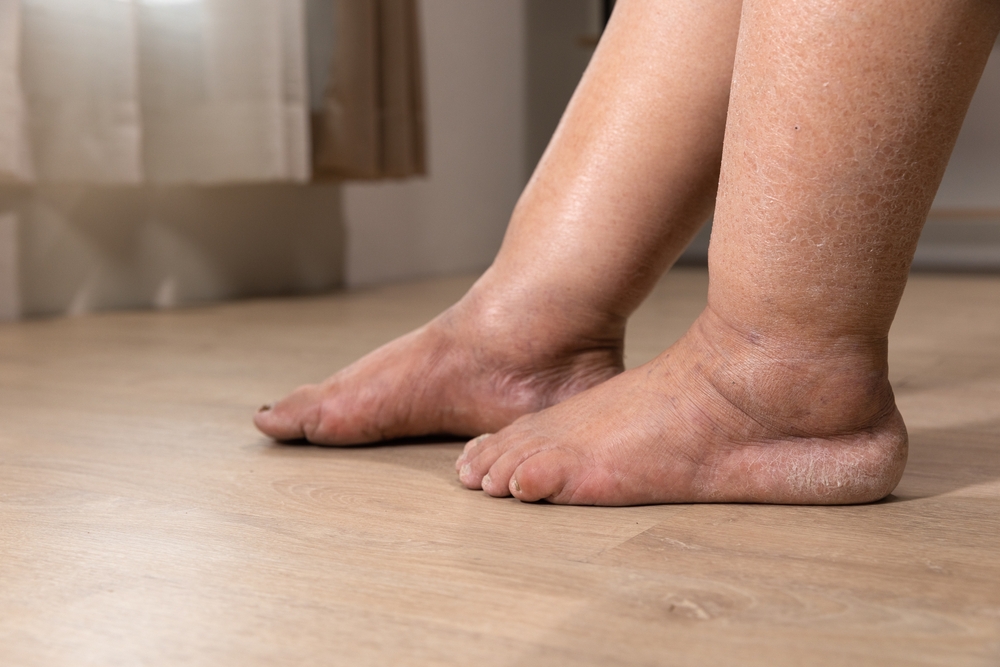 If you’ve ever stepped off a plane or ended a long drive and wondered, “Why do my feet swell when I travel?” you’re not alone. Travel often involves long periods of sitting or standing, which slows blood flow through the legs and feet.
This can lead to swelling, stiffness, and discomfort—especially during the busy fall and winter travel season.
Understanding why this happens and learning how to prevent swelling can make your trips both easier and healthier.
Why Do My Feet Swell When I Travel? Understanding the Cause
There are several reasons people experience foot swelling during trips. Reduced movement is the most common. When you’re unable to stretch or walk, leg muscles work less to keep blood flowing upward, which can cause fluid buildup.
Other factors include:
- Cabin pressure changes during long flights
- Dehydration
- Eating salty foods before or during travel
- Heat exposure in cars
- Tight or unsupportive footwear
- Underlying circulation concerns, such as venous insufficiency
Most swelling improves a few hours after you resume normal movement, but some travelers experience lingering discomfort.
Feet Swollen While Traveling: What’s Normal and What’s Not
It’s very common to notice that your feet are swollen while traveling, particularly during long flights or extended car rides. Mild swelling that goes away within a reasonable time is usually normal. However, it can still be uncomfortable and may trigger foot fatigue, stiffness, or irritation.
Signs that swelling may need medical attention include:
- Swelling in only one leg
- Persistent redness or warmth
- Pain that increases instead of improving
- Shortness of breath (a potential warning sign of a blood clot)
- Skin that feels unusually tight
While occasional swelling is part of travel for many people, more severe symptoms should be evaluated by a health care professional.
Why Do My Feet Swell When I Travel by Plane?
Air travel adds unique challenges when it comes to foot care. During long flights, limited mobility and confined seating make it difficult to stretch your legs or change positions. Lower cabin humidity may cause dehydration, and pressure changes can also contribute to swelling.
Together, these factors increase the likelihood of foot swelling and ankle discomfort during and after flights. People with circulation issues may notice more pronounced swelling or tightness around the ankles.
Why Do My Feet Swell When I Travel by Car?
Long car trips may lack cabin pressure changes, but they still involve extended periods of sitting or standing with limited movement. When your knees stay bent for hours, your legs work less to keep blood flowing, which can lead to swollen feet from travelling.
Other road-trip factors that contribute to swelling include:
- Heat inside the car
- Limited access to breaks
- Eating salty snacks that affect the fluids in your body
Short, regular breaks to stretch and walk can make a meaningful difference.
Swollen Feet After Traveling: Why Symptoms Sometimes Show Up Later
Some travelers feel fine during the trip but notice swollen feet after traveling, once they’re home or at their destination. This often happens because fluid continues to settle after long periods of sitting, standing, or walking through airports.
Common triggers include:
- Long airport lines
- Increased walking during layovers
- Carrying heavy luggage
- Unsupportive shoes during travel
- Warm environments that encourage fluid retention
For most people, swelling improves with rest, hydration, and elevating the legs.
How to Prevent Swelling and Protect Your Feet During Travel
The good news: most swelling is preventable. These habits can help keep your legs and feet more comfortable during travel.
1. Stay Hydrated
Dehydration increases the risk of swelling. Try to:
- Drink plenty of water before and during travel
- Limit alcohol and avoid salty foods
- Keep a refillable bottle on hand
Staying hydrated helps improve circulation and reduce fluid retention.
2. Wear Compression Socks
Compression socks or compression stockings gently support veins in the lower legs. They help prevent swelling and reduce fatigue by improving how blood circulates.
3. Move Whenever Possible
Movement keeps blood circulating through the legs and feet.
As Natalie McCoy, Certified Pedorthist with Physicians Footcare, says, “Our furry friends, cats/dogs, have an instinct to stretch every time they get up, so why don't we? Stretching is a preventative action we should all be doing daily, just like brushing our teeth. Stretching daily can help prevent overuse injuries and has great health benefits. Remember: motion is lotion.”
During long flights or drives:
- Stand or stretch every 60–90 minutes
- Flex and point your toes
- Make slow ankle circles
- Shift positions to avoid stiffness
Even small movements help.
4. Elevate Your Legs After Travel
Once you arrive, elevate your legs to help clear pooled fluid. This is particularly helpful if you already have leg swelling when the trip ends.
5. Choose Supportive Shoes
Supportive footwear is essential for preventing foot swelling and pain. Shoes with adequate cushioning and room in the toe box help maintain comfort during long periods of inactivity.
6. Manage Existing Conditions
If you have diabetes, arthritis, or ongoing circulatory issues, you may notice a greater tendency toward swelling. Planning ahead can help you stay comfortable and reduce stress on your legs and feet.
When Swelling or Pain Requires Attention
While most swelling improves with simple care, you should seek medical guidance if you experience:
- Swelling that lasts more than a few days
- Sudden or one-sided swelling
- Pain that increases
- Red or warm skin
- Symptoms suggesting a blood clot
Always listen to your body—severe or persistent symptoms should not be ignored.
Traveling Soon? Physicians Footcare Can Help Keep Your Feet Comfortable
Holiday travel can put extra stress on your feet, especially during long flights and packed schedules. If you’re dealing with swollen feet after traveling, recurring swelling, or discomfort that affects your daily life, a podiatrist can help identify the cause and recommend personalized treatment.
As the Southeast's premier podiatry practice, Physicians Footcare provides expert care for a full range of foot and ankle concerns—from travel-related swelling to chronic pain, injuries, and preventive care. Our team offers advanced diagnostics, in-house specialists, and personalized treatment plans to support long-term foot health. Schedule a visit with our podiatry team today and take the next step toward lasting comfort.
Published in Blog
Tagged under
Wednesday, 01 October 2025 16:23
What Causes Discolored Toenails? Treatment and Warning Signs
 A change in toenail color can be subtle at first—a faint yellow hue, a cloudy patch, or a darker streak that wasn’t there before. If you’re wondering what causes discolored toenails, you’re right to pay attention. Toenail discoloration can be harmless, but it can also signal infection, injury, or a medical condition that needs professional care.
As nail changes progress slowly, understanding what different colors mean can help you decide when to monitor and when to act. That context matters as we look more closely at what’s behind these changes.
What Causes Discolored Toenails? Understanding the Basics
So what causes discolored toenails in the first place? Toenails respond to what’s happening beneath the surface. Changes in the nail plate, nail bed, or surrounding tissue can alter how light reflects through the nail, affecting its color.
Common contributors include trauma, infection, pressure from footwear, and systemic health conditions. Because toenails grow slowly, discoloration often lingers even after the original issue resolves—especially if the cause is ongoing or left untreated.
Fungal Toenails and Nail Infections
One of the most common reasons for nail color changes is a fungal infection. Fungal toenails typically begin with yellowing or whitening before thickening and becoming brittle. Over time, the nail may distort or lift from the nail bed.
Signs of nail fungus include:
- Yellowing nails
- Thickened nails
- Brittle or crumbly edges
- Discolored nails that worsen gradually
A fungal infection rarely clears without treatment. If nail fungus is left untreated, it can spread to other nails or surrounding skin and become harder to manage.
White Discoloration on Toenails: What It Often Means
White discoloration on toenails can have several causes. Small white spots may develop after minor nail injury, such as bumping a toe or repeated pressure from shoes. These spots often grow out with the nail.
Other causes of white discoloration include:
- Early nail fungus
- Surface damage to the nail plate
- Reactions to nail products or nail polish remover
- Excess moisture exposure
If white discoloration spreads, thickens, or becomes flaky, it may indicate a developing nail infection rather than simple surface damage.
Brown Toenail Discoloration or Dark Nails
Brown toenail discoloration is commonly linked to foot trauma. A classic example is a subungual hematoma, which occurs when bleeding develops under the nail after a nail injury. This can cause the nail to turn black or deep purple, sometimes shortly after impact.
Brown discoloration may also result from:
- Repeated pressure on the affected toenail
- Fungal toenails
- Certain medications
- Pigment changes related to health conditions
Dark discoloration without an obvious injury, or discoloration that spreads or changes shape, should be evaluated promptly.
Yellowing Nails and Thickened Nails
Yellowing nails often occur alongside thickening and brittleness. These changes frequently point to nail fungus but can also be associated with yellow nail syndrome, a rare condition sometimes linked to respiratory or lymphatic issues.
Other causes of yellowing include:
- Long-term nail polish use
- Smoking
- Chronic nail trauma
- Certain health conditions
If thickened nails become difficult to trim or painful, professional podiatry care can help prevent further complications.
Discolored Toenails and Diabetes: Why Extra Caution Matters
For people living with diabetes, nail changes deserve a lower threshold for evaluation. Discolored toenails in diabetes patients can develop more easily because diabetes may affect circulation, immune response, and nerve sensation. That combination increases the risk of infection and slows healing after small injuries.
Similarly, toenail discoloration with diabetes may occur due to reduced blood flow, repeated pressure points, or fungal infections that are harder to clear. Because decreased sensation may mask pain, problems can progress quietly.
If you have diabetes and notice new discoloration, thickening, or an ingrown edge, a podiatrist for diabetic foot care can help you address it early and prevent problems from worsening. As Dr. Kevin Uren, podiatrist at Physicians Footcare, says, “Diabetics out there: Take care of your feet, and they will take care of you.”
Other Causes of Discolored Toenails
Beyond infection and injury, there are additional causes of discolored toenails that podiatrists consider during evaluation.
These include:
- Chronic friction from tight or rigid footwear
- Separation of the nail plate from the nail bed
- Circulatory disorders
- Autoimmune or inflammatory health conditions
When nail discoloration appears alongside swelling, numbness, or skin changes, it may reflect a broader medical issue rather than an isolated nail problem.
Treatment Options for Toenail Discoloration
Treatment depends entirely on the underlying cause. For fungal toenails, podiatrists may recommend trimming, debridement, topical therapy, or prescription antifungal medications. In more advanced cases, oral medication may be necessary.
Nail injuries are often monitored while the nail grows out, though painful pressure from a subungual hematoma may require in-office care. Addressing contributing factors—such as shoe fit or recurring pressure—can prevent recurrence.
In some cases, treating related issues like ingrown toenails helps reduce ongoing nail damage and discoloration.
When to See a Podiatrist for Discolored Toenails
If you’re still unsure what causes discolored toenails in your situation, certain signs indicate it’s time to see a podiatrist for a professional evaluation.
Consider scheduling a visit if:
- Discoloration worsens or spreads
- The nail becomes painful or thickened
- A nail turns black without a clear injury
- You have diabetes or circulation issues
- Nail infections do not improve with basic care
A podiatrist can examine the nail plate, identify the cause, and recommend appropriate treatment before complications develop.
Expert Podiatry Care for Toenail Discoloration at Physicians Footcare
Toenail discoloration is more than a cosmetic concern—it can be an early sign of infection, injury, or underlying health issues. If you’re dealing with ongoing nail discoloration, thickened nails, or suspected fungal toenails, Physicians Footcare can help. Our podiatrists diagnose the causes of discolored toenails and recommend treatment based on what’s actually driving the change—whether that’s fungal infection, trauma, or another medical condition.
With advanced diagnostic tools, experienced providers, and a patient-centered approach, we help patients get back on their feet and back to what they love to do. If you’ve noticed persistent discoloration or changes in your toenails, schedule an appointment with the Southeast’s premier choice for foot and ankle care and get clear answers—and the right treatment—sooner rather than later.
Published in Blog
Tagged under
Monday, 12 January 2026 18:35
Physicians Footcare Welcomes Dr. King-Adekunle
 Aiken, SC- Physicians Footcare, the Southeast’s premier podiatric practice, is pleased to announce that Dr. Dorinda King-Adekunle will be joining our team. She will begin treating patients in our Aiken office on February 2, 2026.
Dr. King received an MBA in health and medical services from Widener University and a doctorate of Podiatric Medicine from Temple University. She is board-certified in primary podiatry medicine and a member of the American Board of Multiple Specialties in Podiatry.
Dr. Ray, CEO, Physicians Footcare stated, “We are happy to welcome Dr. King to Physicians Footcare. Her diverse healthcare background and recognition of foot health as whole health will be invaluable to our patients.”
“I am elated to join the Physicians Footcare Team and to help serve the podiatric needs of the Aiken community,” says King. “My patient-centered approach to care and over two decades of experience in the medical field will help me keep this community in motion.”
To schedule an appointment with Dr. King, contact our Aiken Office toll-free at 1-833-PFC-FOOT. To learn more about Physicians Footcare and the array of healthcare services we provide, visit www.physiciansfootcare.com.
About Physicians Footcare
Physicians Footcare is one of the largest podiatric practices in the southeast and the nation. It is the Southeast’s premier podiatry practice, independently and privately owned. Since opening our first location in 2006, we have grown to locations in South Carolina, Georgia, and New York. Our mission is to be the provider of choice for quality podiatric surgical and medical services and recognized for extraordinary patient care experiences for acute and chronically injured patients and their families.
Published in Blog
Tagged under
Monday, 15 December 2025 17:50
Welcome Dr. Joon Kim to Physicians Footcare
Savann ah, GA- Physicians Footcare, the Southeast’s premier podiatric practice, is pleased to announce that Dr. Joon Kim will be joining our team. He will begin treating patients in our Aiken office on January 19, 2026.
Dr. Kim is a board-certified member of the American Board of Podiatric Medicine and is board-qualified with the American Board of Foot and Ankle Surgery. He and his family moved from South Korea to the United States when he was eight years old and proudly considers Gainesville, FL, home. Dr. Kim attended the University of Florida for his undergraduate studies and is an honors graduate of Kent State University College of Podiatric Medicine. Following graduation, he completed a podiatric medicine and foot and ankle surgery residency at Mt. Sinai Medical Center in Miami, Fl.
“I am honored to join Physicians Footcare and look forward to addressing the footcare needs of the Aiken community”, says Kim. “In my position, I will continue emphasizing a personalized approach to foot health using the least invasive and most advanced techniques for the maximum results.”
Dr. Ray, CEO, Physicians Footcare, stated, “We are excited about the addition of Dr. Kim to our team. His diverse background and extensive knowledge about the breadth of footcare, including diabetic foot care, wound care, sports medicine, regenerative medicine, and foot and ankle surgery, will be a welcome addition to the Augusta-Aiken Region.”
To schedule an appointment with Dr. Kim, contact our Aiken Office toll-free at 1-833-PFC-FOOT. To learn more about Physicians Footcare and the array of healthcare services we provide, visit www.physiciansfootcare.com.
About Physicians Footcare
Physicians Footcare is one of the largest podiatric practices in the southeast and the nation. It is the Southeast’s premier podiatry practice, independently and privately owned. Since opening our first location in 2006, we have grown to locations in South Carolina, Georgia, and New York. Our mission is to be the provider of choice for quality podiatric surgical and medical services and be recognized for extraordinary patient care experiences for acute and chronically injured patients and their families.
Published in Blog
Tagged under
Wednesday, 10 September 2025 15:07
Foot Care for Seniors: Why Regular Checkups Matter
 As our lives progress and we get older (and wiser), caring for our feet becomes just as important as looking after our eyes, hearts, or teeth. Our feet carry us through every stage of life, from our first steps to the marathon we’ve always dreamed of running. But with age, they become more vulnerable to issues that affect mobility, balance, and overall health. That’s why routine podiatry checkups are an important element of foot care for seniors.
Let’s explore why geriatric podiatry is essential, common conditions to watch for, and how to keep your feet strong and healthy as you age.
Understanding Foot Care for Seniors and Your Body’s Evolving Needs
Research shows that the average adult will walk 75,000 miles in their lifetime. This equates to traveling around the world 3 times. With that much stress and strain on our feet throughout the course of our lives, it doesn't come as a surprise that podiatry-related health problems can start to show up as we age.
With that being said, geriatric foot care concerns can go unnoticed all too often. Seemingly minor issues like skin irritations, toenail discolorations, or small aches are easy to overlook, but these minor changes can quickly turn into major health problems if they’re not properly cared for.
Foot care for seniors is about catching these problems early. Our feet directly impact our ability to perform daily tasks and activities, so when their function is impaired, so is our mobility and independence. This is why scheduling regular podiatry checkups becomes increasingly important to care for aging feet.
Recognizing Early Warning Signs of Foot Health Issues in Older Adults
Spotting early age-related foot problems is the first step to improving your health and comfort level. Common warning signs include:
- Changes in skin/nails
- Swelling and discomfort
- Difficulty walking or maintaining balance
- Formations of lumps, bunions, and calluses
If you notice any of these signs, don't wait; request an appointment with a podiatrist near you as soon as you can. Small problems can be stopped before they become significant restrictions on your mobility and independence.
Common Geriatric Foot Care Concerns for Seniors
Aging can increase the risk of developing podiatry-related health care problems. These can start out subtle, but can drastically worsen if left untreated. A few of the most common foot conditions for seniors include:
Arthritis
Foot and ankle arthritis usually presents itself as pain, stiffness, and swelling in the joints of the feet. The toes and midfoot area often experience the strongest symptoms, inhibiting mobility as you age.
This condition can make it increasingly more difficult to walk, due to symptoms such as:
- Limited range of motion
- Joint swelling
- Pain in the affected area
Over time, arthritis may even result in abnormalities of the shape and function of the foot.
To help manage arthritic foot pain, your podiatrist may recommend regular low-impact exercise, medication, and physical therapy. Mild toe flexes and foot circles can help prevent stiffness and promote blood flow throughout the area.
Heel Pain and Plantar Fasciitis
Heel pain and plantar fasciitis present as soreness or pain in the bottom of the foot, particularly in the morning or after periods of inactivity. This can typically be brought on by strain or minute tears in the plantar fascia, which is the thick band of tissue that runs across the bottom of your foot.
Symptoms may include:
- Pain when standing or walking
- Stiffness in the heel or arch
- Development of bone spurs in severe cases
If left untreated, plantar fasciitis can limit mobility and affect daily activity. Geriatric podiatry specialists often recommend resting the feet, using ice, and taking over-the-counter painkillers to help ease discomfort and promote healing.
Corns, Dryness, and Calluses
Calluses and corns develop as a result of pressure and friction, commonly from poorly fitting shoes. Seniors may also be affected by Athlete's Foot (Tinea Pedis), which causes skin to peel and itch.
Symptoms may include:
- Thickened or hardened skin on toes or heels
- Cracking or peeling of skin
- Irritation or pain when walking
To reduce friction and pressure, shoes and socks should be properly fitted to your feet. Using a daily moisturizer can help prevent dryness and cracking. If issues persist, your podiatrist can safely remove thickened skin and prevent complications.
Bunions and Significant Toe Alterations
Hard lumps called bunions form on the outside of the big toe, causing the joint to become misaligned. Common in older adults, bunions can lead to foot pain, swelling, stiffness, and difficulty walking.
Symptoms may include:
- Redness and swelling around the joint
- Calluses on affected toes
- Trouble fitting into shoes
Left unmanaged, bunions can worsen and impact mobility. Geriatric foot care specialists often recommend roomy shoes, padded insoles, custom orthotics, toe spacers, or splints. Surgery may be considered for severe cases. Routine podiatry visits are critical for early detection and management.
How to Care for Aging Feet
Along with regular geriatric podiatry appointments, taking proactive steps at home can also help minimize your risk for foot problems. Here are some podiatrist-recommended geriatric foot care routine tips for how to care for aging feet:
Choose Supportive, Proper Footwear
Your footwear plays a vital role in your comfort, stability, and joint alignment. Wearing shoes with a wide toe box can help prevent ingrown toenails, bunions, and cramping. Make sure to shop later in the day when your feet are slightly swollen for the most accurate fit.
Natalie McCoy, CPed, reminds us that, “Size matters. When it comes to your footwear, being properly measured and knowing what general size is appropriate for your foot and its unique needs is imperative to good foot health and daily comfort.”
Consider Personalized Orthopedic Support
For issues like flat feet, persistent pain, and high arches, custom foot orthotics may be a worthwhile solution. Our certified pedorthists are foot mechanics specialists trained in the fitting, adjusting, and fabricating of custom orthopedic shoe inserts. They’ll assess your feet and create an insert molded to your foot to provide corrective support and comfort.
Keep Your Feet Clean and Maintain Hygiene
Clean and thoroughly dry your feet each day, especially in the spaces between your toes where moisture tends to collect. Regularly trim your nails straight across, ideally every 2 weeks, to lower your risk of fungal infections and ingrown toenails.
Regular Activity
Consistent physical activity helps to maintain strong muscles and loose joints, which can improve your balance and prevent falls. Water aerobics, daily walks, or yoga are low-impact activities that can build foot flexibility and lower the risk of injury.
By keeping up with proper foot care and scheduling regular foot checkups with a podiatrist, seniors can significantly reduce foot pain and maintain mobility and independence throughout their later years.
Protect Your Foot Health As You Age with Expert Foot Care for Seniors
Aging comes with changes, especially in our feet, affecting comfort level, mobility, and overall health. At Physicians Footcare, our podiatrists are skilled with extensive knowledge on addressing foot-related issues associated with aging. We offer individualized care to help you preserve your mobility, comfort, independence, and overall health. Recognizing early warning signs and keeping your feet as healthy as possible are the first steps in preserving the health of your feet.
Don't wait for minor foot troubles to escalate into more serious ones. Schedule a podiatry appointment at the Southeast’s premier choice for foot and ankle care to start on the path to pain-free, healthier feet for years to come.
Published in Blog
Tagged under
Monday, 01 September 2025 15:03
Are Your Back and Foot Pain Related? What You Should Know
 Are your back and foot pain related, or just two separate issues that happen to flare up at the same time? The truth is, the connection between your feet and spine runs deeper than most people realize.
Because your feet form the foundation of your body’s alignment, even minor problems, like uneven arches, poor footwear, or muscle imbalances, can send ripple effects upward, leading to discomfort that starts in your feet and ends in your lower back. Understanding how these systems interact is the first step toward lasting relief.
How Foot Problems Contribute to Back Pain
Your feet act like shock absorbers for the rest of your body. When they’re working properly, they distribute weight evenly, reduce stress on joints, and keep your posture aligned. But if there’s an issue with your foot mechanics, that balance is thrown off in ways that put stress on the knees, hips, and lower back.
Here are a few common foot issues that can lead to back pain:
- Flat Feet or Collapsed Arches: Without proper arch support, your feet roll inward (overpronation), which shifts your hips and spine out of alignment.
- High Arches: A higher arch can cause rigidity, reducing shock absorption and placing extra strain on your lumbar spine.
- Uneven Weight Distribution or Gait: Limping, favoring one foot, or altered movement from pain creates an imbalance that stresses your spine.
- Improper Footwear: Wearing high heels or unsupportive shoes alters posture and spinal balance; incorporating strengthening exercises and conservative treatment options can help restore stability and prevent recurring pain.
- Muscular and Postural Strain: Repetitive stress from poor foot alignment can trigger muscle spasms, weakness, and difficulty lifting, creating a cycle of tension that contributes to back and foot pain-related symptoms.
Over time, these small misalignments accumulate. What starts as a dull ache in your heel or arch can eventually radiate upward into your lower back and hips to cause pain, numbness, and muscle weakness.
Signs Your Foot and Back Pain Are Related
It isn’t always obvious that discomfort in your lower back could actually be caused by your feet. Subtle issues in your gait, arches, or foot alignment can shift how your body moves and carries weight, creating tension that radiates upward over time.
Below are several signs your back pain may actually be linked to your feet:
- Heel Pain in the Morning: Sharp or aching heel pain when you first step out of bed may signal plantar fasciitis, a condition that changes how you walk and increases strain through the legs and lower back.
- Uneven Shoe Wear: Noticeable wear on one side of your shoes suggests gait imbalances that rotate your hips and pull your spine out of alignment.
- Frequent Ankle Sprains or Instability: Weak or unstable ankles cause your back and core muscles to overwork in order to maintain balance and stability.
- Arch Pain After Standing or Walking: Persistent arch soreness often points to flat feet or overpronation, leading to compensations that affect spinal positioning.
- One Leg or Hip Feels Higher Than the Other: Subtle leg-length discrepancies or uneven arches can tilt your pelvis, creating chronic lower back strain.
- Back Pain That Worsens After Long Periods on Your Feet: If your back hurts more after standing, walking, or working all day, poor foot mechanics could be magnifying the impact on your spine.
If any of these symptoms sound familiar, it may be time to schedule a podiatry evaluation to determine whether a foot imbalance could be contributing to your back pain.
Daily Foot Checks: An Overlooked Habit
Foot health doesn’t just affect mobility—it can be a window into your overall health. As Dr. Driesen of Physicians Footcare explains:
“The feet can provide important clues to other underlying health conditions. My primary piece of advice is to perform a daily foot inspection. The feet are often overlooked as vital parts of the body, yet examining them each day allows early detection of abnormalities and can play a critical role in preventing complications and preserving limbs.”
A simple daily check can reveal early signs of issues that may contribute to pain or even more serious health concerns, such as diabetes, poor circulation, or neuropathy. Look for changes in color, swelling, sores, or thickened nails, and bring any concerns to your podiatrist right away.
How a Podiatrist Can Help
When you visit a podiatrist for foot or back pain, the goal isn’t just symptom relief—it’s to address the root cause. At Physicians Footcare, our providers take a comprehensive approach that may include:
- Gait Analysis: Evaluating how you walk and whether abnormal movements contribute to strain.
- Imaging Tests: X-rays or ultrasounds to assess bones, joints, and soft tissues.
- Custom Orthotics: Prescription shoe inserts designed to realign your foot structure and relieve pressure on your spine.
- Footwear Guidance: Recommending supportive shoes for your lifestyle and activities.
- Physical Therapy: Targeted exercises to strengthen feet, ankles, and calves, improving overall stability.
- Preventive Care: Ongoing monitoring for conditions like diabetes or arthritis that can worsen foot problems over time.
Lifestyle Tips to Support Both Feet and Back
In addition to professional care, small daily habits can make a big difference in protecting your foundation and easing back pain:
- Wear supportive shoes, even at home—avoid walking barefoot on hard floors.
- Stretch your calves, Achilles tendon, and hamstrings to relieve tension.
- Replace worn-out shoes regularly (every 300–500 miles if you’re active).
Alternate between sitting and standing to reduce repetitive strain. - Maintain a healthy weight to reduce pressure on both your feet and spine.
Don’t Ignore the Connection
Foot pain and back pain may seem like separate issues, but they’re often two sides of the same coin. Ignoring one can make the other worse. By paying attention to your feet, you can prevent long-term discomfort and improve overall mobility.
At Physicians Footcare, we specialize in diagnosing and treating the full spectrum of foot and ankle conditions, while also understanding their impact on your whole-body health. Whether you’re dealing with persistent heel pain, flat feet, or chronic back discomfort, our team can help identify the link and create a personalized treatment plan to get you back on your feet.
If foot or back pain is slowing you down, don’t just treat the symptoms. Schedule an appointment with Physicians Footcare today and discover whether your feet are the missing piece to lasting relief.
Published in Blog
Tagged under
Friday, 22 August 2025 14:58
How to Avoid Foot Pain at Work: Tips for Delivery Workers
 Delivery workers are the backbone of today’s fast-paced world, keeping packages, groceries, and meals moving from point A to point B. But the job isn’t easy. Long hours on hard surfaces, constant walking, lifting, and prolonged standing all take a toll on the feet. For many, the biggest challenge is figuring out how to avoid foot pain at work before it turns into something more serious.
While sore feet might feel like “part of the job,” chronic pain and injuries don’t have to be inevitable. With the right care and strategies, delivery workers can protect their feet and keep moving comfortably.
Why Delivery Workers Are Prone to Foot Pain After Working All Day
It’s no surprise that delivery work often leads to foot pain after working all day. Shifts can run for hours, with little opportunity to rest. Every step on concrete sidewalks or warehouse floors adds to the strain, and lifting heavy packages increases the load on feet and joints. The repetitive motions of walking and climbing stairs amplify stress on the lower body.
When this cycle repeats day after day, the result can be chronic soreness, fatigue, or injuries. Many workers also experience foot pain from standing at work, especially if they don’t have supportive footwear or time for recovery.
However, these risks don’t have to become long-term problems. With prevention strategies and professional care, delivery workers can reduce pain and stay healthy.
Common Types of Injuries and Foot Pain from Working in the Delivery Sphere
Delivery jobs create the perfect storm for foot problems, ranging from minor aches to serious injuries. Here are some of the most common issues:
Plantar Fasciitis: Heel and Arch Pain
Plantar fasciitis occurs when the thick band of tissue that supports the arch becomes inflamed. Delivery workers often notice sharp heel pain that’s worse in the morning or after long shifts.
- Symptoms of Plantar Fasciitis: Aching or burning along the back of the foot or ankle.
- Plantar Fasciitis Treatment: Stretching, supportive shoes, orthotics, and sometimes physical therapy.
Tendonitis: Inflammation from Overuse
Tendonitis develops when tendons become irritated from repetitive movements like walking and climbing stairs.
- Symptoms of Tendonitis: Aching or burning along the back of the foot or ankle.
- Tendonitis Treatment: Rest, ice, stretching, supportive footwear, and sometimes bracing.
Ingrown Toenails: From Tight or Ill-Fitting Shoes
Ill-fitting footwear can cause ingrown toenails in delivery workers, especially if the toe box is too small. Ingrown toenails occur when toenails grow into the surrounding skin, leading to pain and sometimes infection.
- Symptoms of Ingrown Toenails: Redness, swelling, and tenderness at the nail edge.
- Ingrown Toenail Treatment: Proper nail trimming, wearing the right shoes, and, in some cases, minor in-office procedures.
Stress Fractures: From Repetitive Impact
Stress fractures are tiny cracks in the bones of the feet, caused by repeated pressure without enough rest.
- Symptoms of a Stress Fracture: Persistent pain that worsens with activity, swelling, and tenderness.
- Stress Fracture Treatment: Rest, immobilization, supportive footwear, and medical monitoring.
General Soreness, Blisters, and Calluses
Even without major injuries, long shifts can cause foot pain. Delivery drivers often face friction-related problems like blisters or calluses, as well as general soreness and pressure.
- Symptoms: Tender spots, rough patches, or fluid-filled blisters.
- Treatment: Proper footwear, moisture-wicking socks, padding, and consistent foot hygiene.
How to Avoid Foot Pain at Work with Smart Prevention Strategies
Preventing foot problems is often easier—and less expensive—than treating them later. Here are practical ways to stop pain before it starts.
1. Wear Proper Footwear to Minimize the Risk of Foot Pain from Working
Shoes are the most important tool a delivery worker has. Well-fitting shoes with arch support, cushioning, and slip-resistant soles can reduce pressure and prevent foot pain and injuries. Replacing shoes regularly is just as important; worn-out footwear quickly loses its protective qualities.
2. Use Custom Foot Orthotics to Reduce Foot Pain at Work
Custom foot orthotics are inserts that improve alignment, absorb shock, and reduce pressure on vulnerable areas of the feet. For workers who already experience discomfort, custom orthotics are a powerful way to reduce foot pain at work and prevent issues from worsening.
At Physicians Footcare, podiatrists work directly with in-house CPEDS (certified pedorthists) to design custom orthotics tailored to your needs. This combination of expertise ensures the best fit and function for delivery workers.
3. Practice Stretching and Strengthening Exercises to Prevent Further Discomfort
Simple stretching exercises before and after standing for long periods can make a big difference. Stretching the calf muscles and arches keeps the area flexible, while strengthening the ankles and feet helps them handle repetitive stress. Even short routines performed daily can reduce strain and improve endurance.
Natalie McCoy, CPed, reminds us:
“Our furry friends, cats/dogs, have an instinct to stretch every time they get up, so why don't we? Stretching is a preventative action we should all be doing daily, just like brushing our teeth. Stretching daily can help prevent overuse injuries and has great health benefits. Remember: motion is lotion.”
4. Pay Attention to Early Signs of Injury or Foot Pain After Working All Day
Ignoring early symptoms often leads to bigger problems. Limping, swelling, or persistent soreness should not be dismissed as “normal.” Early treatment prevents small issues from turning into chronic pain or injuries that require extended rest.
See a Podiatrist for Help Reducing Foot Pain at Work
While general physicians address a wide range of health concerns, podiatrists specialize in the mechanics and health of your feet and ankles. For delivery workers, this focus is critical. A podiatrist can diagnose issues early, recommend effective treatments, and prevent complications that might sideline you from work.
Beyond diagnosis, podiatrists can directly refer you for orthotics and footwear adjustments through CPEDS, saving time and ensuring you receive expert care tailored to your unique needs. This streamlined approach helps you get back on your feet faster and keeps you there for the long run.
Delivery Work Doesn’t Have to Mean Foot Pain After Working All Day
Foot pain is common for delivery workers, but it doesn’t have to be inevitable. By choosing supportive footwear, using orthotics, stretching regularly, and seeking timely podiatric care, you can keep moving without discomfort.
If you’re experiencing ongoing pain while standing or walking at work, it may be time to consult with a podiatrist. Physicians Footcare offers comprehensive services to address conditions like plantar fasciitis, tendonitis, and stress fractures. We also offer custom orthotics through our in-house CPEDS. Our team understands the unique challenges delivery workers face — and we’re ready to help.
Don’t let foot pain limit your work or your life. Schedule an appointment with a Physicians Footcare podiatrist today to explore solutions tailored to your needs.
Published in Blog
Tagged under
Wednesday, 13 August 2025 14:53
Pediatric Ingrown Toenail Symptoms Parents Shouldn’t Ignore
 Sometimes sore toes just come standard — every parent of an active kid can vouch. But sometimes, that nagging bump or bruise doesn’t just go away. Pediatric ingrown toenails are a common issue that can linger, leading to foot pain, inactivity, and even infection.
If your child is limping, wincing at the touch of their toe, or avoiding their favorite activities, it could be a sign that an ingrown toenail is to blame. This common foot issue is not always just about a small nail growing the wrong way. It can lead to infection, long-term discomfort, and even complications if left untreated. As a parent, knowing the signs to look for and understanding when to seek help from a podiatrist could make all the difference in getting your child back on their feet.
Let’s explore the most important symptoms of ingrown toenails in kids, determine how to spot them early, and learn why seeing a podiatrist can prevent a simple problem from turning into something more serious.
What Is an Ingrown Toenail?
An ingrown toenail occurs when the corner or edge of a toenail grows into the soft skin of the toe. This can cause foot pain, redness, swelling, and in some cases, infection. Although ingrown toenails are more common in adults, children are also prone to this painful condition, particularly if their toenails are improperly cut or if they wear tight shoes that crowd the toes.
While an occasional pediatric ingrown toenail might not seem like a big deal, it can escalate into a more severe problem if not treated. In some cases, untreated ingrown toenails can lead to infection and/or fungus, which can further complicate things.
Common Symptoms of Pediatric Ingrown Toenails in Children
1. Pain Around the Toenail
One of the first signs of an ingrown toenail is pain around the affected toe. Your child might complain of discomfort, particularly when wearing shoes or while walking. The foot pain may start as a dull ache but could become sharp and more intense if left untreated.
What to watch for:
- Complaints of discomfort or pain in the toe, especially during physical activity
- Crying or limping from foot pain when the toe is touched or pressure is applied
2. Redness and Swelling
As the toenail grows into the skin, it can cause irritation and swelling. If left untreated, the skin around the child’s ingrown toenail may become red and inflamed. In some cases, a clear fluid might be visible around the edge of the nail.
What to watch for:
- Red, swollen skin around the affected toenail
- Increased sensitivity to touch around the toe
- Warmth around the toe (which could be a sign of infection)
3. Infection Signs
If your child’s ingrown toenail isn’t addressed early, it can lead to an infection. Signs of infection include increased redness, swelling, warmth, and pus draining from the affected area. Infections can cause more severe pain and even fever, especially in younger children.
What to watch for:
- Pus or drainage from the toe
- A significant increase in swelling and foot pain
- Fever or other signs of illness in your child
If your child is experiencing these symptoms, consult with a podiatrist immediately. In some cases, infection can spread and require more invasive treatment, such as oral antibiotics or even podiatrist-performed procedures to remove the ingrown part of the toenail.
4. Visible Nail Changes
When you look at the affected toe, you might notice the toenail curving into the skin. In more severe cases, you may see the edge of the toenail embedded in the skin, causing a noticeable indentation or damage. The nail may also appear thicker or discolored, especially if there’s a fungal infection present.
What to watch for:
- Curved toenail edges digging into the skin
- Visible damage or injury to the nail or surrounding skin
- A nail that appears thickened or discolored (sometimes indicating fungal toenails)
What Causes Ingrown Toenails in Children?
Several factors contribute to the development of pediatric ingrown toenails:
1. Improper Toenail Trimming
One of the most common causes of ingrown toenails in kids is improper trimming of the toenails. Cutting the toenail too short or rounding the corners can encourage the nail to grow into the skin. For safety, cut the toenail straight across and avoid cutting too far down.
2. Tight or Ill-Fitting Shoes
Because children’s feet grow rapidly, they can outgrow new shoes before parents realize it. Shoes that are too small or narrow squeeze the toes together, creating pressure that forces the nail into the surrounding skin. To help prevent ingrown toenails, check your child’s shoe size frequently to ensure their shoes fit properly and allow enough space for the toes to move comfortably.
Dr. Renee Hutto-Altman reminds parents:
“Just because your friend or neighbor likes a certain shoe does not mean it is a good shoe for your foot!”
3. Trauma to the Toenail
Injuries to the toenail, whether from stubbing the toe or something more serious like dropping an object on the foot, can alter the way the toenail grows and increase the risk of ingrown toenails in kids.
4. Genetic Predisposition
Some children may have a genetic predisposition to developing ingrown toenails. If you or someone in your family has had problems with ingrown toenails, your child may be more prone to developing the condition as well.
5. Fungal Infections
Fungal infections can cause toenails to thicken, become brittle, or change shape, increasing the likelihood of the nail growing into the surrounding skin. If you notice any signs of a fungal infection, it’s important to seek treatment from a podiatrist to prevent further complications.
How to Treat Ingrown Toenails in Children
1. At-Home Care
If your child’s ingrown toenail is caught early and isn’t causing an infection, you can often manage the problem at home. Here are a few steps you can take:
- Soak the affected foot in warm water and epsom salt for 15–20 minutes a few times a day to soften the skin and relieve pain.
- Gently massage the skin around the toenail to ease pressure.
- Use cotton or dental floss to carefully lift the toenail away from the skin if possible.
- Apply an over-the-counter antibiotic ointment if there is any sign of infection.
Be careful not to cut the toenail or try to force the skin away from the nail, as this can make the problem worse.
2. Visit a Podiatrist
If your child’s ingrown toenail doesn’t improve with home care, or if you notice signs of infection, it’s time to visit a podiatrist. A podiatrist is a medical professional who specializes in diagnosing and treating foot and ankle conditions. They can assess the severity of the pediatric ingrown toenail and recommend appropriate treatments.
Treatment options may include:
- Lifting the nail: The podiatrist may gently lift the edge of the toenail and place cotton or a splint underneath it to prevent the nail from growing back into the skin.
- Partial toenail removal: If the ingrown toenail is severe, the podiatrist may remove part of the nail to relieve pressure and allow for proper healing.
- Surgical procedure: In rare cases, if the ingrown toenail is recurrent, the podiatrist may suggest a minor surgical procedure to remove the nail entirely.
3. Preventive Care
Once the ingrown toenail is treated, you can take steps to prevent future occurrences. These include:
- Proper nail trimming: Cut the toenails straight across and avoid cutting them too short.
- Footwear: Ensure your child wears properly fitting shoes that allow room for their toes to move freely.
- Hygiene: Encourage your child to wash their feet regularly and keep their nails clean and dry to avoid infection.
When Should You See a Podiatrist?
While mild cases of ingrown toenails in kids can often be treated at home, it’s always best to consult a podiatrist if:
- Your child is experiencing significant foot pain or discomfort
- You notice signs of infection (redness, pus, pain, and swelling)
- The toenail is severely ingrown, causing difficulty walking
- The ingrown toenail keeps returning despite at-home care
A podiatrist will be able to provide the right diagnosis and treatment, helping your child heal quickly and avoid further complications.
Feet First for Active Kids
Ingrown toenails in children are more than just a cosmetic issue; they can be painful and lead to serious complications if left untreated. By knowing the symptoms and understanding how to treat them, you can help ensure that your child’s feet remain healthy and pain-free. If you suspect your child has an ingrown toenail, reach out to a podiatrist for professional care. With the right attention, you can prevent unnecessary foot pain and keep your little one moving comfortably.
Is your child suffering from a pediatric ingrown toenail? Contact your local Physicians Footcare podiatrist for an appointment today!
Published in Blog
Tagged under
Wednesday, 06 August 2025 14:48
How to Avoid Sand Burns on Your Feet at the Beach
 There’s nothing quite like a sunny beach day…until you take that first barefoot step on the scorching sand. What seemed like a relaxing stroll quickly becomes a painful dash for shade. Many beachgoers don’t realize just how hot the sand can get, and by the time they do, it’s often too late to avoid sand burns on their feet.
If your feet feel burned walking on sand, or you’ve experienced a burned bottom of feet after a day near the shoreline, then you’re not alone. Burns on feet from sand are more common than most people think, especially during the peak of summer when the temperature of the sand can soar well above 120°F.
Let’s break down why sand burns on the feet happen, how to treat them, and most importantly, how to prevent burnt feet on sand so you can enjoy every moment at the beach.
Can Sand Burn Your Feet?
Yes, sand can absolutely burn your feet. Much like asphalt or pavement, dry sand absorbs and retains heat from the sun, sometimes becoming hotter than the air itself. On particularly sunny days, beach sand can reach 120-140°F or more, which is more than hot enough to cause first- or second-degree burns and even nerve damage after just a few seconds of contact with the skin on the bottom of the foot.
Unlike water or grass, sand doesn’t always feel hot right away. By the time you notice foot pain, the skin on your soles may already be damaged. That’s why so many people end up with burnt feet on sand without realizing the danger beforehand.
One of our expert podiatrists, Dr. Keyoka Smith, shares:
“Helping patients with hard-to-heal wounds is one of the most rewarding parts of my practice. When a skin graft restores healthy tissue and allows someone to get back to doing what they love, it’s truly life-changing for them—and deeply satisfying for me as a physician.”
Her insight reminds us that burns, even mild ones, can become serious if not properly cared for. Early treatment and prevention make all the difference in keeping your feet healthy and avoiding long-term complications.
Symptoms of a Sand Burn on the Feet
If you’ve ever finished a beach day and thought, “My feet feel burnt after walking on sand,” here are some signs you may have a mild to moderate burn:
- Redness or pinkness on the soles
- Blistering or peeling skin
- Stinging or burning sensations when walking
- Swelling or sensitivity to touch
- Discoloration or raw skin
More serious burns on the feet from sand can result in deep blisters, severe foot pain, or even risk of infection if left untreated.
What to Do If You Have Burnt Feet from Hot Sand
If you suspect you’ve suffered from burnt feet from the sand at the beach, start treatment right away to reduce pain and promote healing.
Step 1: Get Off the Hot Surface
Move to a shaded area or step onto a cool surface like a towel, mat, or water.
Step 2: Cool the Burn
Rinse your feet with cool (not ice-cold) water for 10-15 minutes. You can also apply a clean, damp cloth or soak your feet in cool water to relieve the burn.
Step 3: Apply a Soothing Topical
Use aloe vera gel or an over-the-counter burn cream on the affected area to reduce inflammation and promote healing. Avoid petroleum-based products if blisters have formed.
Step 4: Cover and Protect
If the skin is broken or blistering, loosely bandage your foot to keep it clean and avoid further irritation.
Step 5: Monitor for Infection
Watch for signs like pus, increased redness, swelling, or worsening foot pain. If symptoms persist or worsen, contact a podiatrist for professional treatment.
How to Protect Your Feet from Sand Burns at the Beach
Sand burns on the feet are entirely avoidable with a few simple precautions. If you plan to spend time by the water this summer, here are our podiatrists’ tips for preventing burns from hot sand at the beach:
1. Always Wear Foot Protection
Flip-flops, water shoes, or sandals create a vital barrier between your feet and the sand. Even if you plan to lay out or swim barefoot, keep your footwear close by for walking back to your chair or car.
2. Test the Sand First
Before committing to a barefoot stroll, press the back of your hand against the sand for five seconds. If it feels too hot for your hand, it’s too hot for your feet.
3. Walk Closer to the Waterline
Wet sand near the surf stays significantly cooler than the dry sand higher up the beach. Stick to this zone when walking barefoot.
4. Bring a Towel or Mat to Stand On
Designate a safe, cool area at your beach setup to avoid stepping on burning sand.
5. Apply Sunscreen to the Tops of Your Feet
Though it won’t prevent burnt feet on sand, it will protect against sunburn—another common beach injury for bare feet.
When to See a Podiatrist for Burnt Feet
If your feet are still sore, swollen, or blistered several days after the burn—or if you see signs of infection—it’s time to consult a podiatrist. At Physician’s Footcare, we treat a range of foot conditions, including burns, infections, and other beach-related foot injuries. Among our podiatry services, we offer wound care, infection prevention, and long-term skin protection strategies to help your feet heal safely.
Burns can be especially dangerous for people with diabetes or poor circulation. If you’re in a higher-risk category, don’t wait—seek medical attention early to avoid complications.
Don’t Let a Sand Burn Spoil Your Summer
Whether it’s a spontaneous walk to the shoreline or a forgotten pair of flip-flops, it only takes a moment of exposure for the sand to burn your feet. But with the right habits and some preparation, you can soak up the sun without suffering the sting later.
Already dealing with the effects of burnt feet from the beach? Contact Physician’s Footcare—the Southeast’s premier provider of foot and ankle care. We’re here to get you back on your feet—cool, comfortable, and ready to enjoy every step of summer.
Schedule your appointment today and let us help your feet stay safe, strong, and sun-ready all season long.
Published in Blog
Tagged under
